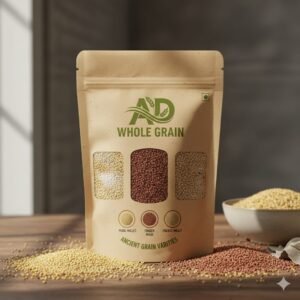
What Are Millets?

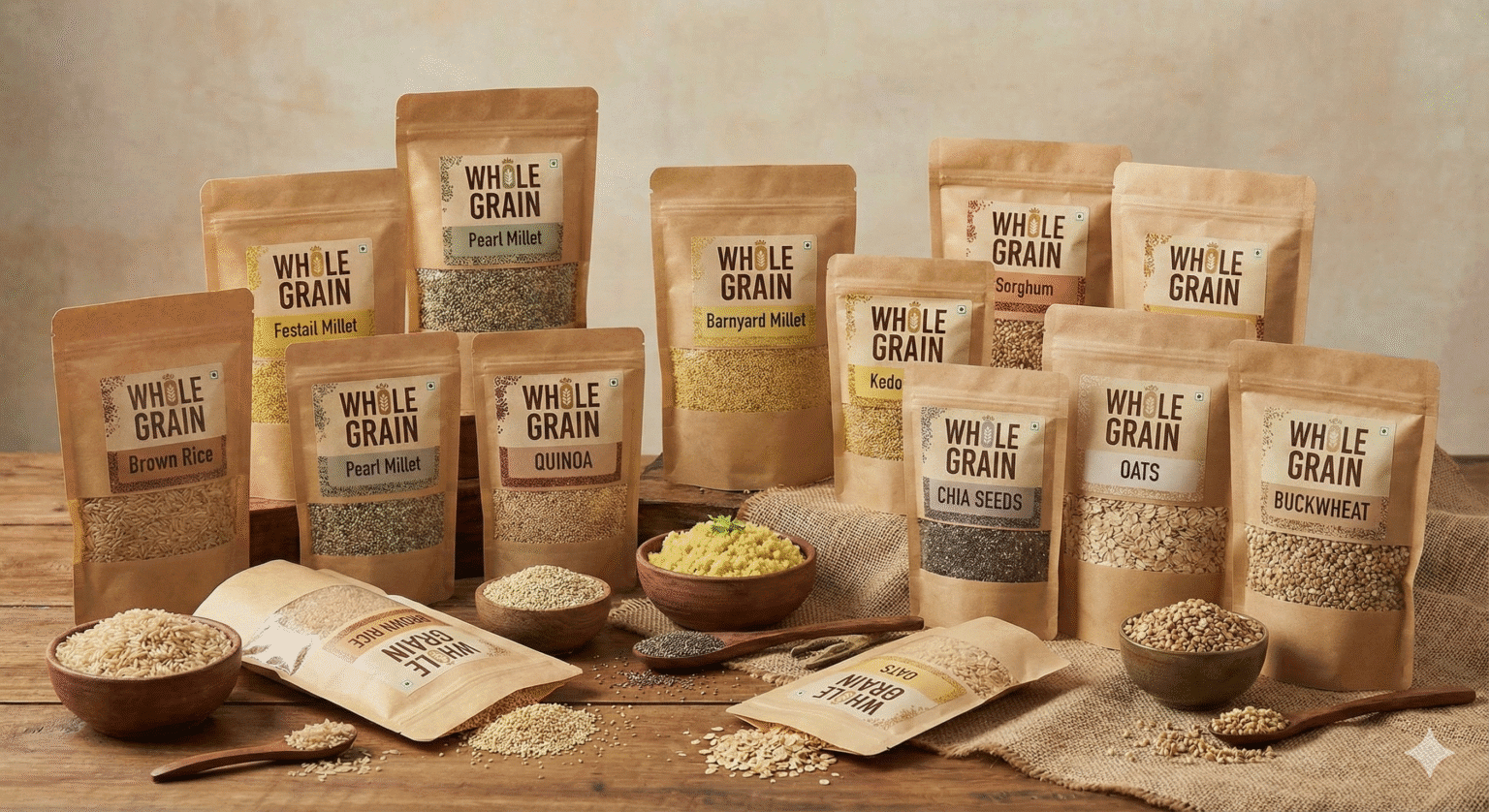
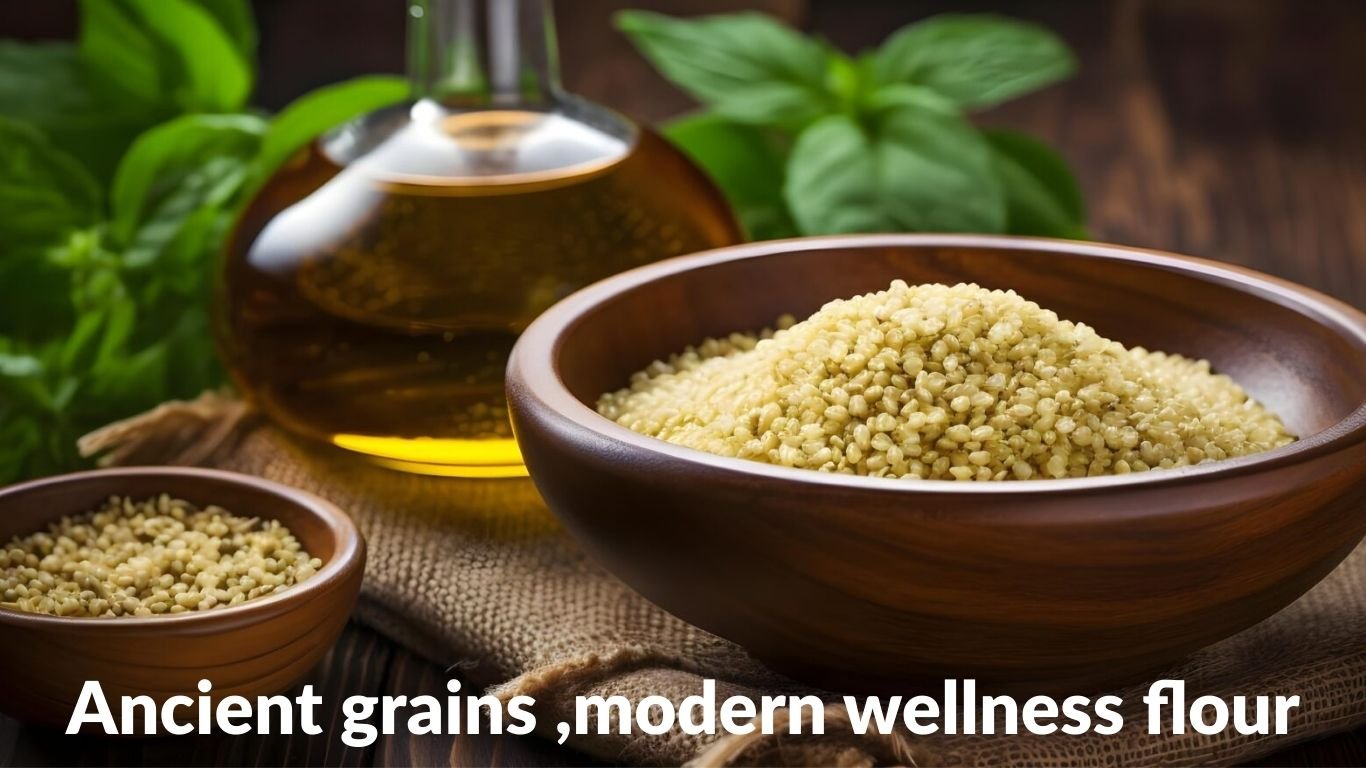
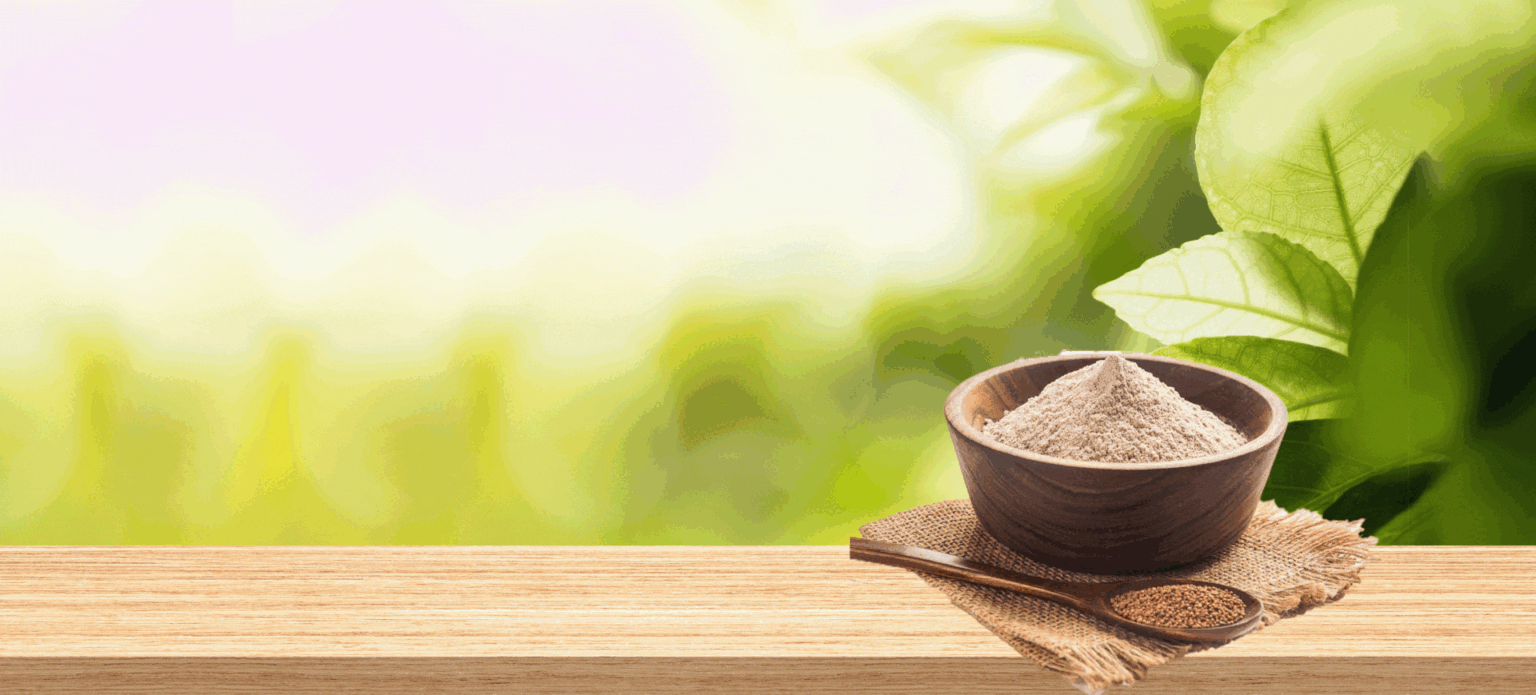
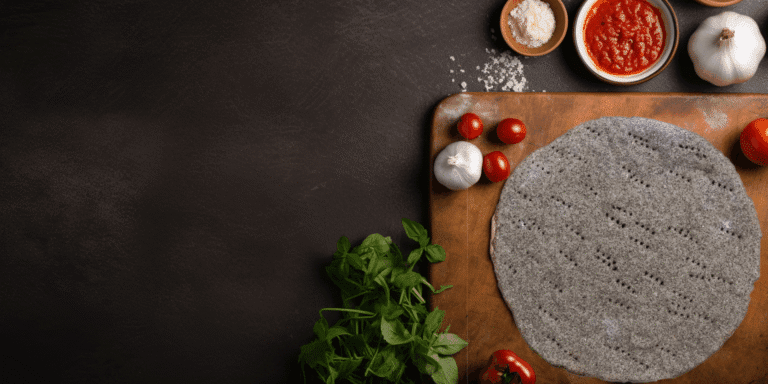
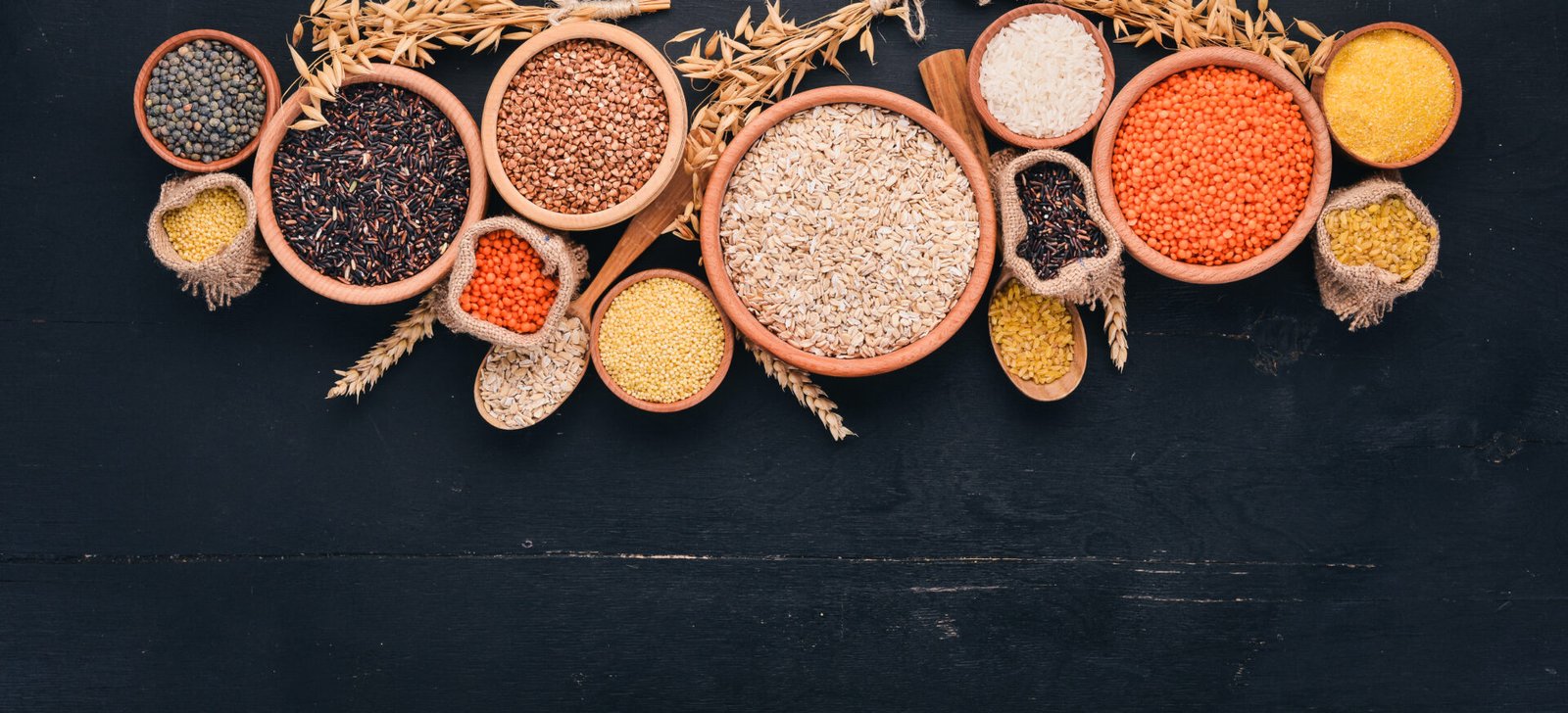
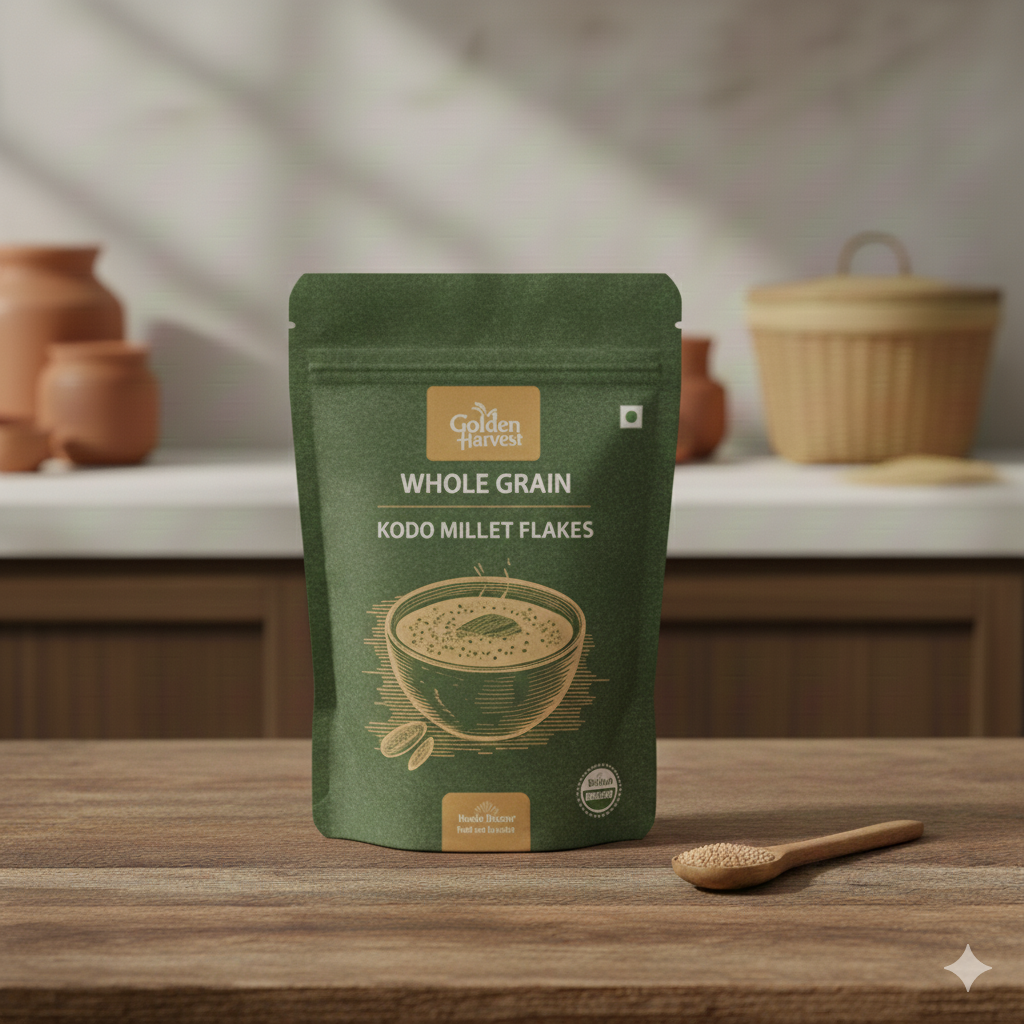
Millets are small, nutritious grains that have been a part of traditional diets for centuries. They are rich in fiber, protein, and essential minerals, making them a healthy alternative to regular grains like wheat or rice. Millets are naturally gluten-free, easy to digest, and help maintain steady energy levels throughout the day. Because they grow well even in dry conditions, they are also considered an eco-friendly crop. Including millets such as ragi, jowar, bajra, and foxtail in your meals can support better digestion, improve heart health, and promote overall wellness.

To order freshly cooked millet food Nourish your body with the power of ancient grains — order now! Order Now

New Arrivals

our product

FAQs

1. What are millets?

Millets are small, nutritious grains known for being rich in fiber, protein, and minerals. They are gluten-free and easy to digest.

2. Are millets good for daily eating?

Yes, millets can be eaten daily. They help improve digestion, support weight management, and provide steady energy.

3. Which millets are most common in India?

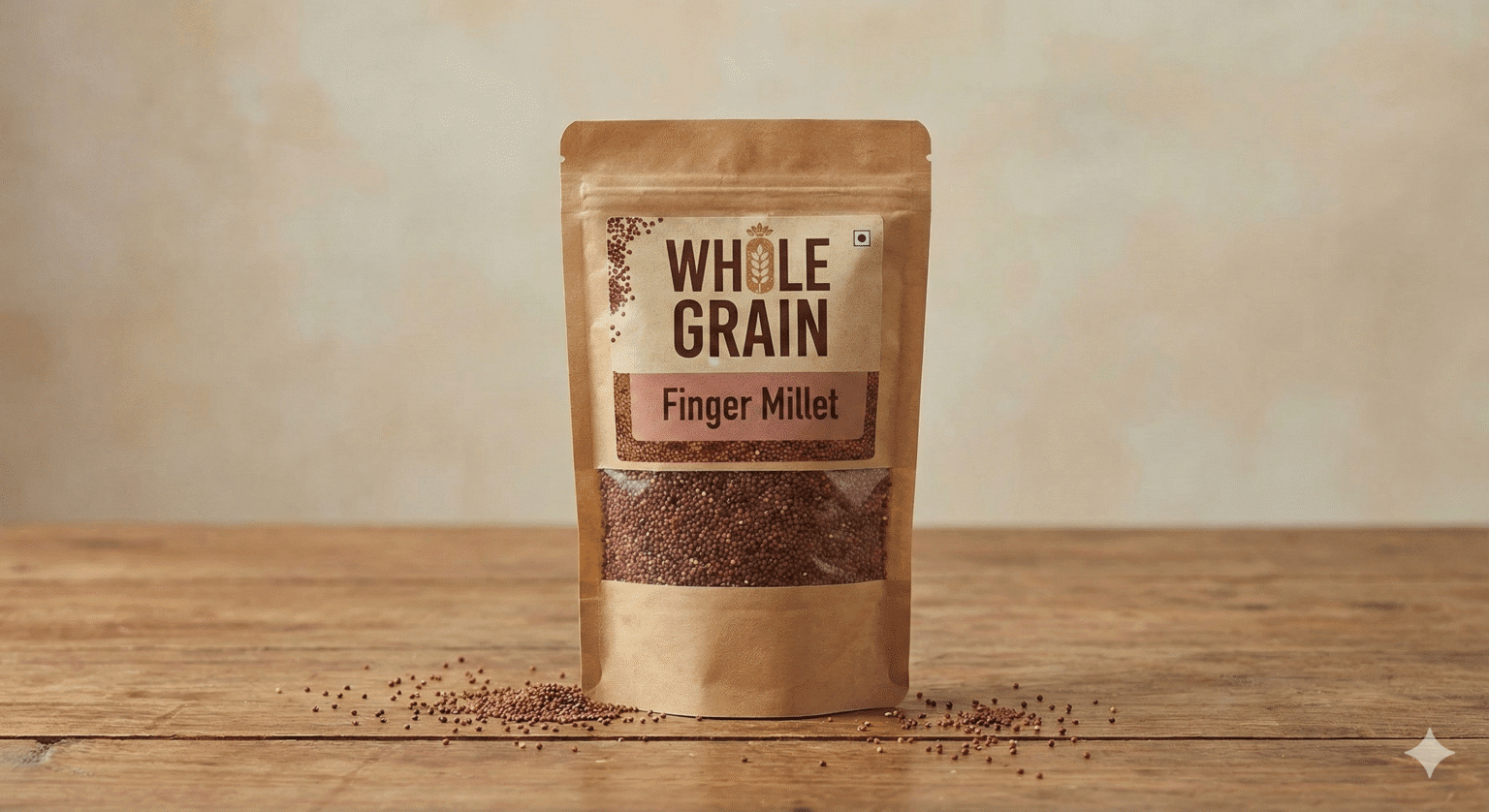
Common millets include Ragi (Finger Millet), Jowar (Sorghum), Bajra (Pearl Millet), Foxtail Millet, and Little Millet.

4. Are millets good for diabetics?

Yes, many millets have a low glycemic index (GI), which helps control blood sugar levels, making them suitable for diabetics.

5. How can I include millets in my diet?

You can use millets to make roti, dosa, upma, khichdi, porridges, or add them to salads and snacks.


6. Are millets gluten-free?

Yes, all major millets are naturally gluten-free and safe for people with gluten intolerance.

7. Do millets help in weight loss?

Yes, millets are high in fiber, which keeps you full longer, reduces overeating, and supports weight management.

8. Are millets suitable for kids?

Absolutely. Millets like ragi are excellent for children as they provide calcium, iron, and essential nutrients for growth.